
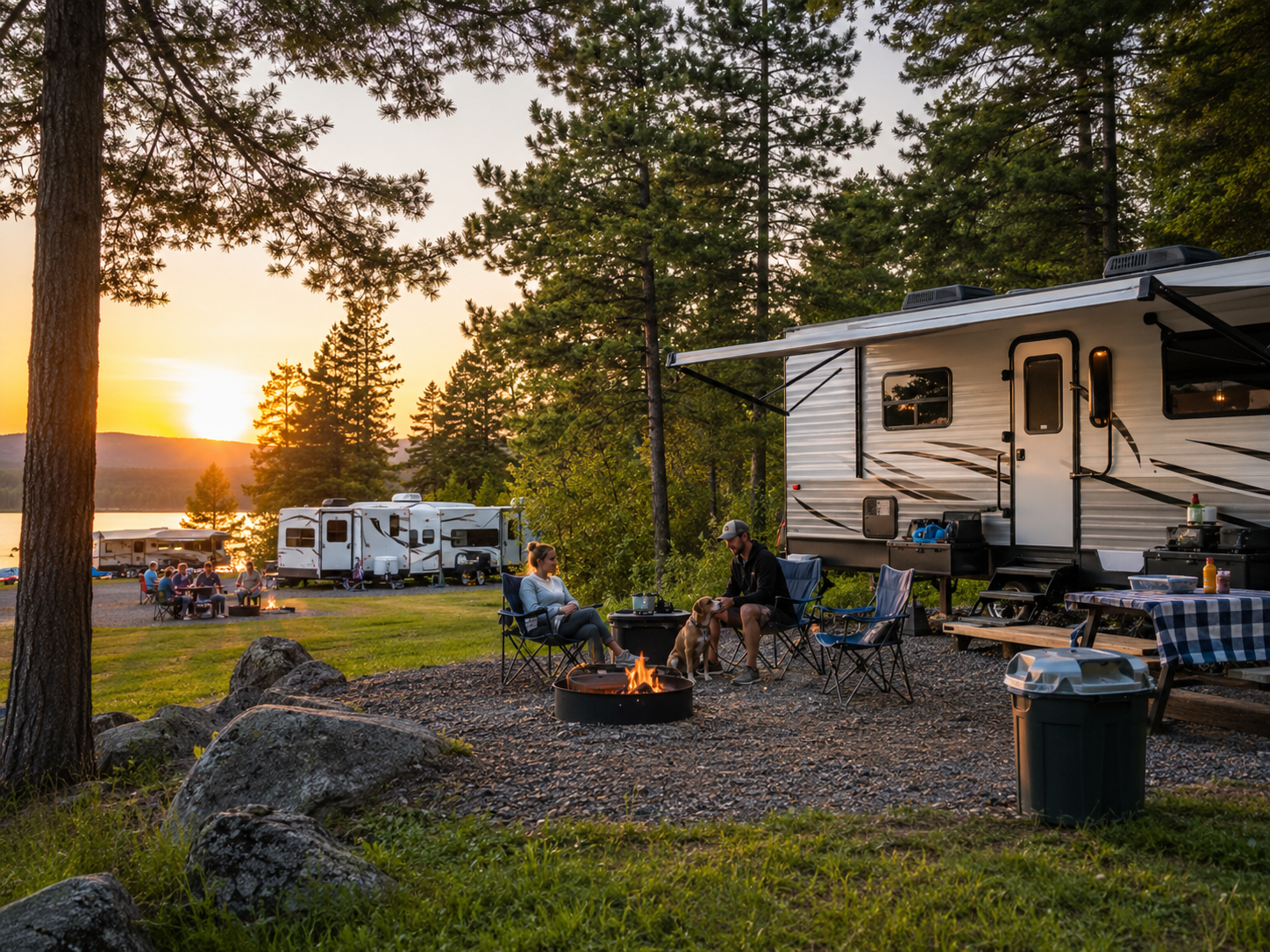
There’s nothing quite like the smell of pine needles, the crackle of a campfire, and the feeling of unplugging from the modern world. But here’s the truth: a great camping trip isn’t just about your gear or your scenic view, it’s about how you treat the people and the land around you. Campground etiquette isn’t just a list of “don’ts”; it’s the secret sauce that keeps the outdoors enjoyable for everyone.
Whether you’re a first-time tent camper or a seasoned RVer, these essential rules will keep you in everyone’s good graces. Let’s dive in.
The Golden Rule of the Outdoors
First things first: Respect thy neighbor. Campgrounds are shared spaces, often set closer together than you’d expect. The family three sites over might be trying to get their toddler to sleep, while the couple next door may be waking up at dawn for a long hike. Your freedom ends where their peace begins. Before you fire up the loud Bluetooth speaker, ask yourself: Would I want to listen to this from my tent? Most of the time, the answer is no.
Keep the Noise to a Whisper
Noise pollution is the number one campsite complaint. This isn’t a music festival; it’s a nature retreat.
- Radios and speakers: Use headphones if you need music. If you’re playing something aloud, keep the volume at a conversational level.
- The “10 PM Rule”: Most established campgrounds have quiet hours (usually 10 PM to 6 AM). This means no loud laughing, no generators, and absolutely no slamming car doors.
- Dogs: If you bring Fido, he needs to be quiet, too. Excessive barking is annoying and often triggers a chain reaction across the entire loop.
Mind Your Space (and Your Stuff)
It’s easy to get carried away with your setup, but spreading your chairs, coolers, and clotheslines into the neighboring site is a major faux pas. Respect the boundary lines. If you don’t have a physical marker, estimate the distance and stay clearly within your footprint. Also, never walk through another camper’s site to get to the restroom. Use the main road or path. Treat their tent like you would their living room, you wouldn’t walk through someone’s house without knocking.
The Bathroom Rules That Matter
Let’s talk cleanliness. The campground restroom is a shared facility, and it’s often the quickest way to ruin someone’s trip.
- Leave it clean: If you miss the toilet, clean it up. There are usually supplies provided, but bring your own wipes just in case.
- No dishes in the sink: Do not rinse your greasy pan in the hand-washing sink. Food scraps clog drains and attract wasps and bears. Use your own basin outside if you have to wash dishes.
- Shower limits: Keep your showers short. Hot water is usually finite, and no one wants to be that person who drains the tank.
The Firewood Rule: Buy Local, Burn Local
It’s tempting to bring a bundle of wood from your backyard, but do not transport firewood. This is one of the most critical environmental rules in camping. Moving firewood spreads invasive pests like the Emerald Ash Borer, which has decimated forests across the country. Always purchase firewood from the campground or a local vendor near the site. Also, never leave a fire unattended, and ensure it is completely dead out before you leave or go to sleep. Drown, stir, and feel for cold ash.
The Unspoken “Check-In”
If you are returning to your site late at night, keep your lights dim. Do not shine your headlamps directly into other tents, and try to unpack your car in the daylight hours. Headlights from your car are a massive disturbance. If you know you’ll be late, try to set up your tent before dark or use a small red-light headlamp to see where you’re going.
The “Two-Hour” Rule for Free Campsites
If you are in a “free” or dispersed camping area (like those on BLM land), there is often an unspoken rule about leaving your gear unattended. You can’t just set up a tent to “save” a spot and then leave for the entire weekend. Occupancy usually implies presence. If you leave your gear for more than a day and no one sees you, your site is considered abandoned, and others are free to use it. Don’t be greedy with land that is shared by all.
Always Leave No Trace
This goes beyond picking up your trash. It means:
- Pack it in, pack it out: This includes orange peels and apple cores. They take months to decompose and are unnatural to the local wildlife.
- Clean your site: Sweep up the dirt you dug up, move your tent to allow the grass to bounce back, and check for tiny trash (like bottle caps) before you leave.
- Human waste: If there are no toilets, dig a cathole at least 6-8 inches deep and 200 feet away from any water source.
Campground etiquette comes down to simple empathy. The forest is a shared sanctuary, and a little mindfulness goes a long way. By being quiet, respectful, and clean, you aren’t just following rules, you’re ensuring that the outdoors remains a welcoming place for the next camper, and the one after that. So, pack your gear, pick up your trash, and enjoy the wild, just do it politely.