
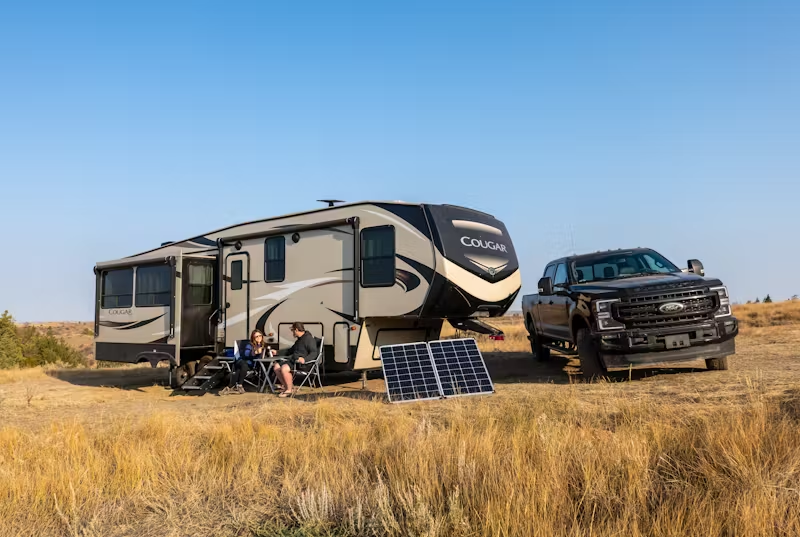
Buying your first RV opens up a world of adventure. Whether you’re planning cross-country road trips or weekend getaways to nearby campgrounds, the freedom of RV travel is unmatched. But before you hit the open road, you’ll want to make sure you have the right accessories on board.
The right gear can make the difference between a smooth, enjoyable trip and a frustrating experience filled with unexpected problems. From safety essentials to creature comforts, these 10 must-have RV accessories will help you get the most out of your new home on wheels.
Safety First
RV Leveling Blocks
One of the first things you’ll learn as an RV owner is that not all campsite pads are perfectly level. Parking on uneven ground can cause doors to swing open unexpectedly, make sleeping uncomfortable, and even damage your RV’s appliances. Your refrigerator, in particular, needs to be level to function properly and avoid costly repairs.
RV leveling blocks are stackable plastic or rubber blocks that you drive onto to level your rig. They’re affordable, lightweight, and easy to use. Keep a set in your storage compartment, and you’ll be prepared for any campsite. Many experienced RVers consider these non-negotiable, especially if you plan to stay at less developed sites or boondock in remote locations.
Tire Pressure Monitoring System (TPMS)
RV tires carry a heavy load and face constant stress from long drives and varying road conditions. A blowout can be dangerous and expensive, not to mention the inconvenience of being stranded on the side of the highway. A Tire Pressure Monitoring System helps you avoid these problems by providing real-time data on tire pressure and temperature.
Most TPMS units install easily and connect to a monitor inside your RV, alerting you to any issues before they become serious. This small investment can save you thousands in tire replacement costs and give you peace of mind while driving.
Essential Utilities
Water Filter
The water quality at campgrounds varies widely. Some sites offer clean, safe water, while others may have supplies that taste unpleasant or contain sediment and contaminants. A quality RV water filter ensures you have clean water for drinking, cooking, and showering no matter where you park.
Inline water filters attach directly to your water hose and remove impurities before they enter your RV’s plumbing system. They’re inexpensive and easy to replace, making them a simple solution for better water quality. Look for filters that remove chlorine, sediment, and bacteria for the best protection.
RV Power Cord
Your RV’s power cord is your lifeline to electricity at campgrounds. The standard cord that comes with your RV may work fine initially, but having a backup or upgrade is smart planning. Heavy-duty power cords with weather-resistant coating and surge protection can handle the demands of running your RV’s electrical systems safely.
Consider investing in a quality 30-amp or 50-amp cord (depending on your RV’s requirements) that’s at least 25 feet long. This gives you flexibility when parking and ensures you can reach the power pedestal even if you can’t park exactly where you’d like. Many RVers also recommend getting adapters that allow you to connect to different power sources when 30-amp or 50-amp connections aren’t available.
Comfort and Convenience
Portable RV Steps
Standard RV steps can be steep and narrow, making entry and exit challenging, especially when carrying groceries or equipment. Portable RV steps provide extra height and stability, making it easier and safer to get in and out of your rig.
These steps are particularly helpful for children, elderly travelers, or anyone with mobility concerns. They fold up for easy storage and set up in seconds at your campsite. The added stability reduces the risk of slips and falls, which is especially important in wet or icy conditions.
RV Awning
An RV awning transforms your outdoor space by providing shade and shelter from light rain. It essentially extends your living area, giving you a comfortable spot to relax, cook, or entertain outside your RV.
If your RV didn’t come with an awning, adding one is worth considering. If it did, make sure you know how to properly extend and retract it. Many RVers also invest in awning accessories like LED lights, privacy screens, or wind blockers to enhance their outdoor experience. Just remember to retract your awning before driving and during high winds to prevent damage.
Maintenance and Care
RV Cover
When your RV isn’t in use, it needs protection from the elements. Sun, rain, snow, and debris can all cause wear and tear that shortens your RV’s lifespan. A quality RV cover shields your investment from UV damage, prevents water leaks, and keeps your exterior looking new.
Full-coverage RV covers may seem expensive, but they pay for themselves by reducing maintenance costs and preserving your RV’s resale value. Look for breathable materials that prevent moisture buildup and choose a cover that fits your RV’s specific dimensions for the best protection.
Sewer Hose Support
Proper waste management is crucial for RV living, and a sewer hose support makes this essential task much easier. These supports keep your sewer hose elevated at the correct angle, ensuring waste flows smoothly from your RV to the dump station.
Without proper support, your sewer hose can sag or develop low spots where waste accumulates, leading to clogs and unpleasant cleanup. Sewer hose supports are inexpensive and lightweight, but they make a significant difference in how well your waste system functions. This is definitely one accessory you don’t want to skip.
Tech and Entertainment
Portable RV GPS
Standard car GPS units don’t account for your RV’s size, height, or weight restrictions. An RV-specific GPS helps you avoid low bridges, narrow roads, and routes with weight limits that could damage your vehicle or leave you stuck.
These specialized GPS units include RV-friendly campgrounds, rest stops, and dump stations in their databases. They also provide warnings about upcoming road conditions that might be challenging for larger vehicles. While you can use smartphone apps for basic navigation, a dedicated RV GPS offers more reliable performance and doesn’t drain your phone’s battery on long drives.
Backup Camera System
Backing up an RV can be intimidating, especially for first-time owners. A backup camera system eliminates blind spots and helps you park safely, whether you’re navigating tight campground spaces or parallel parking at a rest stop.
Modern backup camera systems are relatively affordable and easy to install. Wireless options are particularly popular because they don’t require running cables through your RV. The monitor mounts on your dashboard, giving you a clear view of what’s behind you whenever you shift into reverse. This simple addition reduces stress and prevents costly accidents.
Frequently Asked Questions
Do I need to buy all these accessories at once?
Not necessarily. Start with the safety essentials like leveling blocks and a TPMS, then gradually add other accessories as you gain experience and identify your specific needs. Your priorities may differ based on where you travel and how you use your RV.
Where can I find quality RV accessories?
RV accessories are available at camping supply stores, RV dealerships, and online retailers. Reading reviews from other RV owners can help you identify reliable products. Don’t always choose the cheapest option—investing in quality accessories saves money in the long run.
How do I know which power cord my RV needs?
Check your RV’s electrical panel or owner’s manual to determine whether you need a 30-amp or 50-amp cord. Most smaller RVs use 30-amp connections, while larger models typically require 50-amp service. When in doubt, consult your dealer or a qualified RV technician.
Can I install these accessories myself?
Many RV accessories are designed for easy DIY installation. Items like leveling blocks, water filters, and portable steps require no installation at all. More technical equipment like backup cameras or TPMS may require basic electrical knowledge, but most come with detailed instructions. If you’re uncomfortable with any installation, professional help is available at RV service centers.
Are expensive RV accessories always better?
Not always. While quality matters, the most expensive option isn’t necessarily the best for your situation. Research specific products, read reviews from other RV owners, and consider your actual needs before making purchasing decisions. Sometimes mid-range products offer the best value for first-time RV owners.
Gear Up for the Journey Ahead
These 10 accessories will help you start your RV journey with confidence. Each item serves a specific purpose, from protecting your investment to making daily tasks easier and safer. As you gain experience, you’ll discover additional accessories that match your travel style and preferences.
Remember that RV ownership is a learning process. Start with these essentials, then customize your setup based on your adventures. The right accessories won’t just make your trips more comfortable—they’ll help you create lasting memories on the road.