
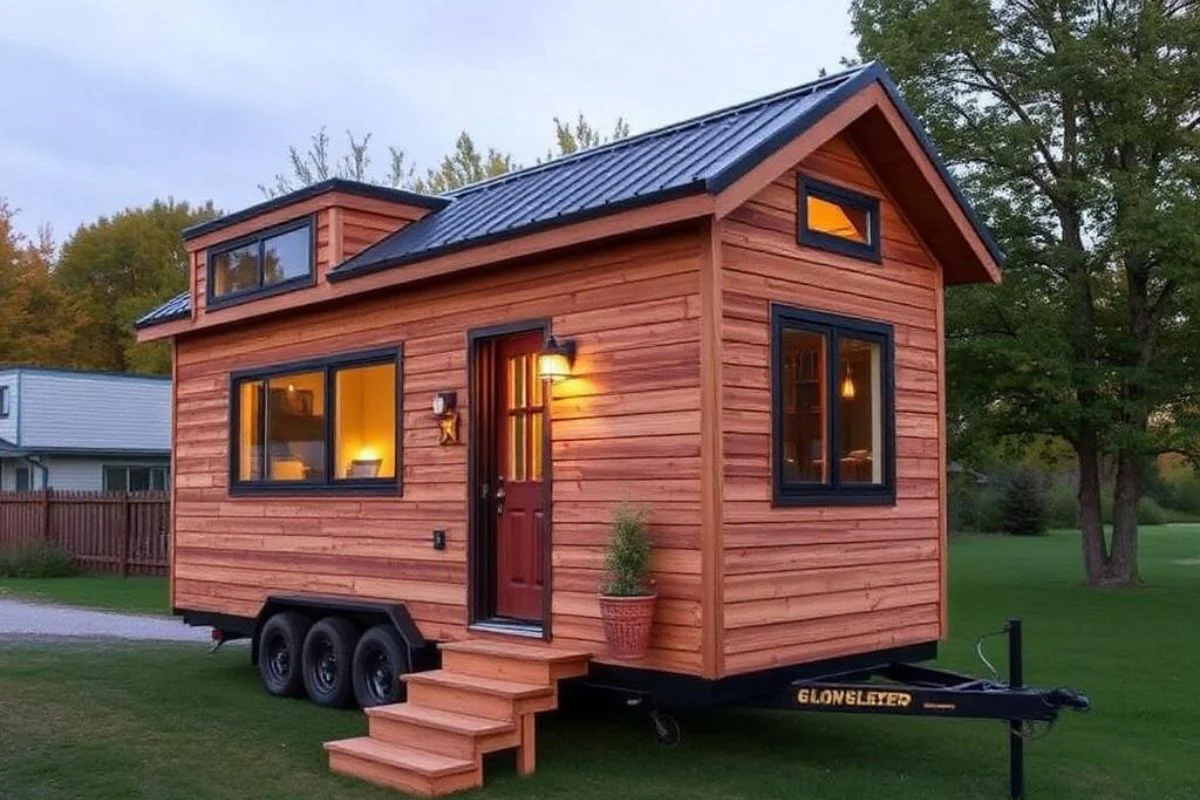
In recent years, the idea of downsizing living spaces and pursuing a more relaxed lifestyle has become increasingly popular. Living in an RV and living in a tiny house are two of the most popular minimalist lifestyles. Both offer freedom, financial security, and the opportunity to live independently, but their lifestyle, comfort levels, and flexibility differ significantly. If you’ve always dreamed of traveling or living in a cozy cabin, understanding the differences is crucial. This guide offers a comprehensive overview of RV and tiny house living to help you choose the option that best suits your needs and goals.
Freedom of Movement
A key difference between tiny houses and RVs is that RVs are much easier to move around. For those who enjoy traveling and trying new things, RV living is a great option. You can take your home with you and enjoy beautiful scenery, from the beaches of Florida to the mountains of Colorado. A major advantage of RV living is that you can wake up in a different place every week.
Tiny homes, on the other hand, are usually built on a sturdy frame or a caravan base and are designed for short-term use. Some tiny homes are mobile, but not suitable for frequent relocation. For those who want to live small and settle in for the long term, a tiny home is a good option. If you prefer to live in a stable community or close to local amenities, a microhome might be a better choice.
Cost and Cash Flow
Both RVs and microhomes can be relatively affordable, but the price depends on your lifestyle and needs. A brand-new RV can cost between $50,000 and over $200,000, depending on the configuration and size. However, you can also find used RVs for much less, making them a great entry-level option for many. You also need to consider costs such as gas, maintenance, insurance, and camping fees.
Building or buying a microhome, on the other hand, can cost between $30,000 and $100,000, depending on the materials used and the level of customization. Once settled, microhomes are generally cheaper than living in an RV because you don’t have to pay for gas or regularly park at an RV park. If you go off-grid and use solar power, your microhome energy bills will be very low.
If you plan to live in a microhome long-term, RVing offers better cost control. However, if you prioritize financial stability and saving on long-term maintenance costs, a microhome might be a better option.
Comfort and Space
In most cases, microhomes are more comfortable than RVs and offer more living space. They can have a fully equipped kitchen, a larger bathroom, and even a separate bed in the living room. Because microhomes are built similarly to regular houses, they often feel sturdier and safer, especially in inclement weather.
Although RVs are smaller, they are efficiently and conveniently designed for easy movement. Every inch is used optimally. Folding tables, chairs that convert into beds, and small toilets are all included. The limited space can feel cramped, especially for couples or families with children. However, many modern RVs are quite luxurious, with expandable sections that increase the living space and luxury amenities like cooktops and a full kitchen.
If you want to live comfortably long-term, a microhome is the best choice. However, if you want the freedom to travel and try new things, an RV offers a freedom that a permanent home can’t.
Legal Considerations
Living in an RV makes it easier to comply with regulations. You can park your vehicle in RV parks, campgrounds, or even on private property with the owner’s permission. However, staying in one place for too long can violate local regulations, so you’ll need to change locations frequently.
Microhomes are subject to stricter building codes. Depending on where you live, it can be difficult to find land where you can build a microhome permanently. In some areas, microhomes are considered attached dwelling units (ADUs), while in others, their size or location is restricted. Before moving into a microhome, check the specific regulations in your area to ensure you comply.
In short, RVs offer greater freedom of movement, while microhomes, while requiring more legal documentation, are more stable once built.
Maintenance and Lifespan
RVs are designed for travel, meaning they are susceptible to damage from constant driving, weather changes, and so on.
If you enjoy DIY and taking good care of your belongings, living in an RV is a great option. However, if you prefer a low-maintenance lifestyle, a smaller home might be more sustainable and stable.
Community and Lifestyle
At the heart of RV living is flexibility and exploring new places. In national parks, campgrounds, and wilderness areas, you’ll meet other travelers who are part of a community of explorers and share stories around a campfire. The ability to travel to new places at any time is both exciting and fulfilling.
People who live in smaller homes often form safe, close-knit communities. Many live in ecoregions or cities built specifically for this purpose. This lifestyle encourages self-reliance, resilience, and minimalism. It’s perfect for those who want to live small but still feel part of a community.
RV living is ideal for people who enjoy socializing and trying new things. If you value strong relationships and environmental responsibility, living in a tiny house can be more fulfilling.
Environmental Impact
Both RV and mini-home living promote minimalism, but their environmental impact is vastly different. Mini-homes are typically built with eco-friendly materials and can utilize clean energy sources like solar panels. They are very environmentally friendly because they produce less waste and consume fewer resources.
RVs can also be environmentally friendly, especially when equipped with solar panels and energy-efficient tools. However, they do have higher carbon emissions due to fuel consumption during travel and regular maintenance.
If you plan to live in a mini-home long-term, a mini-home is more environmentally friendly.
Frequently Asked Questions about RV vs. Mini-Home Living
1. What’s more economical, living in an RV or a mini-home?
RVs generally have lower initial costs but higher ongoing expenses. Mini-homes have a higher purchase price but lower monthly maintenance and operating costs.
2. Can I live in an RV indefinitely?
Yes, many people live in RVs long-term and move frequently. Just make sure you comply with local parking and zoning regulations.
3. Does a small home increase in value over time?
Smaller homes generally don’t appreciate as much as larger homes. However, if well-maintained and located in a good neighborhood, they can retain their value.
#4: Living in an RV or a tiny house? Which is better for families?
Small homes are generally better for families because they offer more space and stability. However, some adventurous families who are used to a minimalist lifestyle can thrive in RVs.
5. Can I try both?
Absolutely. Some people start out traveling the world in an RV and then move to a smaller home once they find a suitable spot.
In short: Ultimately, your lifestyle goals will determine whether you choose an RV or a tiny house. If you crave freedom, travel, and do what you want, then an RV will be the best road trip experience of your life. A tiny house, on the other hand, offers a safe, comfortable, and truly personal home, which may be more suitable if you prioritize a safe, comfortable, and sustainable lifestyle. Ultimately, it’s entirely up to you whether you choose to live on the go or settle elsewhere in the world. Both advocate the joy of simplicity, self-reliance, and a meaningful life.