
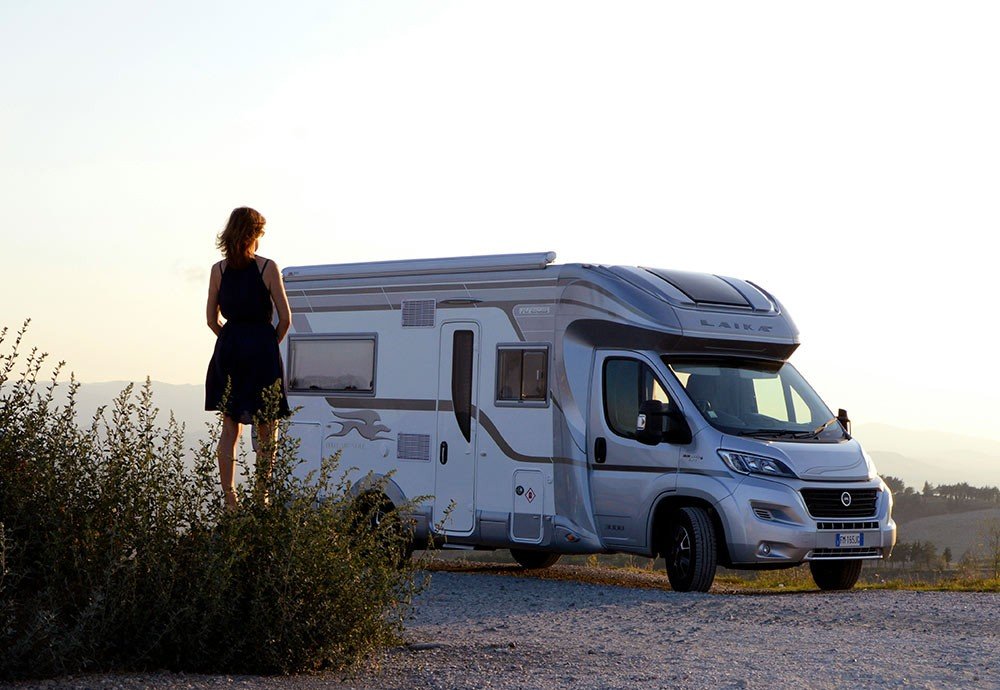
The freedom you get when traveling across America in an RV is indescribable. The open roads, the ever-changing landscape, and the freedom to park wherever you want combine to create a unique journey. However, many travelers worry about the cost. At first glance, RVing might seem expensive, but with careful planning and a few money-saving tips, you can enjoy your RV trip without breaking the bank. Whether you’re a first-time RVer or a seasoned RV enthusiast looking to save money, the right plan can help you see more for less.
Choosing the Right RV
Choosing the right RV is the first step in planning an affordable RV trip. If you already own an RV, check its condition before you leave. Checking the brakes, tires, oil level, and battery before you leave can prevent costly repairs later. For those without an RV, renting is often the best option. But not all rentals are created equal. Comparing prices from different providers can significantly reduce your total costs.
In most cases, smaller RVs or campervans are more fuel-efficient and cheaper to rent than larger vehicles. Before booking, make sure you understand all hidden costs, such as insurance, cleaning fees, mileage restrictions, and generator usage restrictions. A good RV will not only fit your budget but also make your trip easier and more comfortable, with more opportunities to stop along the way.
Plan a Convenient Route
Most road trip enthusiasts don’t realize how much money they can save. One of the most expensive expenses on an RV trip is gas, and poor route planning wastes time and money. To save gas, plan a route that’s roughly the same so you don’t have to travel back and forth between states. You can use online tools like Google Maps or RV trip planners to calculate mileage and fuel costs in advance.
Choose a route that keeps points of interest close together for a more enjoyable and cost-effective trip. For example, the Blue Ridge Highway and the Pacific Coast Highway are adjacent, offering beautiful scenery and plenty of places to stop. Instead of traveling every day, spend more time in one location to save fuel and maintain your vehicle better.
Find affordable accommodations
RV travelers can save significantly on accommodations. Commercial campgrounds and RV parks often charge higher nightly rates because they offer extra amenities like swimming pools and Wi-Fi. However, for less money, you can camp in scenic locations like state parks and areas under the jurisdiction of the National Forest and Land Administration. Many of these sites cost just ten to thirty dollars per night and are equipped with basic amenities like fire pits, picnic tables, and restrooms.
If you prefer to be off-grid, “boondocking” (camping without electricity) is a great free option. Many travelers search online for suitable campgrounds throughout the country. Always adhere to the “Leave No Trace” policy to protect the natural beauty of these locations and ensure they remain open to other visitors in the future.
Cook your own meals.
Eating out can quickly add up for every meal. One of the great advantages of traveling in an RV is the ability to bring your own food. Planning and cooking yourself not only saves money but also allows you to choose healthier and more personalized meals. Before you leave, make sure you have plenty of affordable and easy-to-prepare ingredients to cook in your RV.
One of the most enjoyable things about traveling is cooking your own meals in your accommodations. Imagine a barbecue dinner by a tranquil lake or a breakfast surrounded by mountains. By bringing your own food, shopping at local farmers’ markets, and ordering less takeout, you can save a lot of money and make your trip more authentic.
Manage fuel and maintenance costs.
Fuel costs are inevitable, but they are easy to manage. By keeping your tires properly inflated, driving at low speeds, and maintaining a steady pace, you can reduce fuel consumption. Avoid idling for long periods of time and remove unnecessary items from your RV to reduce weight. Fuel price apps can help you find cheaper gas stations along the way, saving you hundreds of euros on long journeys.
Regular maintenance during your trip can also prevent unexpected repair costs. It’s often much cheaper to fix problems as they arise than to wait for them to worsen. By staying alert, you’ll stay on top of things.
Many national and state parks offer free admission, and local visitor centers can help you find affordable activities.
You don’t have to spend a fortune on travel or parks to have a fantastic trip. The most memorable moments are often the relaxing ones, like watching a sunset, exploring hidden trails, or meeting other hikers around a campfire.
Traveling Off-Season
The time of year affects travel costs. During peak season, such as summer, campgrounds and accommodations at attractions can be more expensive. You might consider an RV trip in the spring or fall. Many places offer less expensive accommodations and activities, and the weather is usually more pleasant. Traveling off-season is also quieter, allowing you to escape the crowds and fully enjoy the scenery.
Keep a close eye on your budget
Creating a travel budget will help you track your expenses and avoid unnecessary financial stress. First, make a list of your major expenses, such as gas, camping, food, and entertainment. Once you have a general budget, set daily or weekly spending limits and track your expenses. Simple expense tracking helps you manage your budget and adjust it as needed. Being financially prudent doesn’t mean sacrificing fun; it simply means enjoying your trip without worrying about money.
What you need to know to plan an affordable RV trip
1. How much does an affordable RV trip typically cost?
An affordable RV trip can cost between $75 and $150 per day, depending on fuel prices, your food choices, and accommodations. You can stay within this budget by cooking for yourself and choosing free or low-cost camping.
2. Is it better to rent or buy an RV for a budget vacation?
If you only travel occasionally, renting is more economical because you don’t have to pay for maintenance, insurance, or storage. However, if you move frequently, owning an RV can save you money in the long run.
3. How do I find affordable campsites?
Many apps and websites list free or inexpensive campsites, such as those on public lands and in city parks. Always check overnight accommodations before setting up camp.
4. How can I reduce my fuel consumption on long trips?
Using tools to find gas stations, slowing down, and maintaining a steady pace are all ways to save on fuel costs. Avoiding long traffic jams and steep hills when planning your route can also save money.
5. What benefits can RV travelers enjoy?
Yes, RV clubs can help you save on service, fuel, and camping costs. If you plan to visit multiple national parks, annual national park passes are another great way to save on entrance fees.
In short
To plan an affordable RV trip, you have to be creative, plan ahead, and be flexible. You don’t have to spend a fortune to enjoy a free and exciting life. Choosing the right RV, cooking for yourself, traveling during the off-season, and staying at affordable campsites can all help you create more memories for less. The open roads await; with proper planning, your next RV trip can be both affordable and unforgettable.