
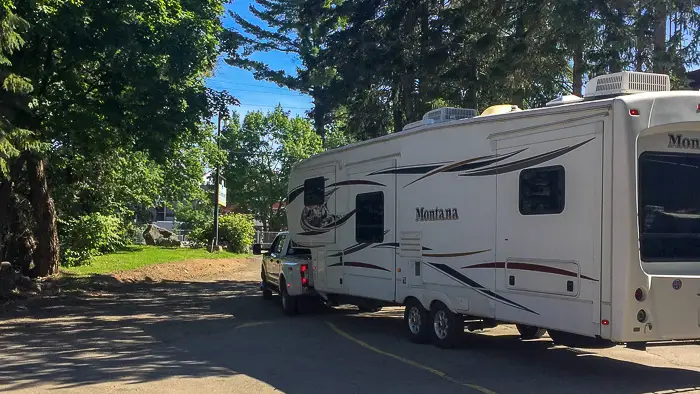
Owning an RV offers a freedom unmatched by any other lifestyle. Whether you’re exploring national parks, camping by a lake, or driving across the country, your RV is a mobile home. However, with freedom comes responsibility, which means regular maintenance. Just like any other house or vehicle, your RV needs regular maintenance to function safely and reliably. Neglecting maintenance can lead to costly repairs, various problems, and even danger. This guide shows you the essential maintenance steps every RV owner should take to ensure your RV is always in good condition and ready to go.
RV Maintenance
Your recreational vehicle (RV) is more than just a vehicle; it’s a home, a system for performing various tasks. RVs have complex structures and require extra care to ensure all components are functioning properly. Regular maintenance keeps your RV in good condition, maintains its value, and makes your travels safer.
If you don’t regularly perform simple checks, such as checking the water system or tire pressure, you could end up with bigger problems, such as leaks or flat tires. Establishing a regular inspection schedule will save you time, money, and effort, ensuring every trip goes smoothly.
Roof Inspection
A camper’s roof is easily damaged. Sunlight, rain, and dust can cause cracks or leaks, allowing water to seep into the vehicle and damage the roof. Inspect the roof at least four times a year. Check the air conditioning system, vents, and the area around the windows for cracks, soft spots, or broken sealant.
If you find small cracks, fill them immediately with camper sealant or overlap sealant. Apply a UV-resistant roof paint annually for added protection. These small repairs will extend the life of your roof and prevent high repair costs due to leaks.
Tire Inspection and Maintenance
A camper’s tires carry the entire weight of the vehicle and therefore require proper maintenance. Always check the tire pressure before every trip. A blowout is usually caused by under- or over-inflated tires. Check your tires for cracks, bulges, or irregular wear.
Tires should be rotated every 9,600 to 13,000 kilometers (6,000 to 8,000 miles). Even if they appear intact, replacement is recommended every five to seven years. Always carry a spare tire and ensure your jack and tire-changing tools are in good working order.
Safe tires not only last a long time but also ensure the safety of you and your family.
Check the electrical system
Many important functions of your RV can fail if the battery is in poor condition. An RV’s electrical system relies on a well-maintained battery. The battery powers the lights, refrigerator, and water pump.
Regularly check the battery terminals for rust and clean them with a mixture of baking soda and water. Before each trip, ensure the battery is fully charged and store it properly when not in use. Check the lead-acid battery level monthly and top up with distilled water as needed.
If your RV has solar panels, make sure the charge controller is working properly and is properly connected. Purchasing a battery monitor can help you monitor the battery level and prevent over-discharging.
Engine and fluid levels
Engine maintenance is crucial for RVs with engines. Always check the engine oil level before each trip and change it every 3,000 to 5,000 miles (4,800 to 8,000 kilometers), as recommended by the manufacturer.
Regularly check the coolant, transmission fluid, and brake fluid levels. Top up as needed and check the underside of the RV for leaks. Don’t forget to check the air filter. A clean air filter protects the engine and saves fuel.
Replace worn belts and hoses to prevent roadside accidents. Regular engine maintenance ensures your RV continues to travel smoothly and efficiently.
Water supply and plumbing
A good water supply is essential for a comfortable trip. Check the fresh, gray, and black water tanks regularly for leaks. Clean the water supply system every few months to remove bacteria.
Empty all tanks and add antifreeze to the water supply system, especially for RVs, to prevent the lines from freezing. Flush the system thoroughly after the winter to remove any antifreeze residue.
Make sure the connections between the water pump and the hoses are tight and free of cracks. Small leaks, if not repaired quickly, can cause serious damage.
For your safety, install carbon monoxide and propane leak detectors in your RV and check them monthly.
Keep your RV’s exterior
The exterior of your RV is constantly exposed to harsh weather conditions such as UV rays, rain, dust, and dirt. Wash your RV regularly to prevent dirt buildup and damage to the paint and finish. Wax the exterior of your RV every six months to prevent damage and shrinkage from sunlight.
Check all seals around doors and windows for cracks or wear. Repair damaged cracks to prevent water infiltration and improve insulation. Don’t forget to lubricate doors, locks, and curtains to keep them functioning properly.
Check Brakes and suspension
Your RV’s brake systems are heavily stressed, especially during long drives and downhill runs. Check the brake system regularly to assess its sensitivity and listen for any scraping or sharp noises. Replace brake pads immediately when worn, and check the wheels for irregular wear.
Check your shock absorbers, leaf springs, and other suspension components. Used suspension parts can affect the smoothness and handling of a vehicle. Maintaining a good suspension system makes driving safer and easier.
Maintaining Electrical Appliances
The electrical appliances in your RV can make your trip more comfortable, but they also require regular maintenance. Clean the refrigerator’s condenser coil, check that the stove burner is working properly, and ensure the water heater is functioning properly.
Clean the vents and filters in your heating and cooling system regularly to maintain good air quality and reduce energy costs. If your air conditioning isn’t cooling properly, check for refrigerant leaks and clean or replace the filter.
Maintaining your electrical appliances not only improves comfort but also extends their lifespan and reduces energy consumption.
Checking Safety Equipment
Never neglect your safety equipment. Fire extinguishers, carbon monoxide detectors, and smoke detectors should be checked regularly. Replace smoke detector batteries every two years, and ensure your fire extinguisher is fully charged and always within reach.
Always carry a fully equipped first aid kit and emergency tools, such as a flashlight, battery cables, and a tire repair kit. Being prepared is crucial for a safe trip.
Frequently Asked Questions about RV Maintenance
1. How often should I maintain my RV?
It should be serviced before every trip and undergo a full inspection every six months. Monthly inspections are recommended for full-time RV travelers.
2. Can I maintain my RV myself?
Checking tire pressure, cleaning seals, and inspecting the roof are all maintenance tasks you can perform yourself. However, more complex repairs, such as electrical or gas repairs, are best handled by professionals.
3. How can I keep my RV in good condition long-term?
Park your RV in a covered or enclosed area, remove the battery, cover the tires, and place absorbent pads inside the RV to prevent mold and dead skin cells from building up.
4. How can I winterize my RV?
To prevent pipes from freezing, you should empty all water tanks, turn off the water heater, and add RV antifreeze to the plumbing system.
5. How can I remember to perform maintenance?
You can use a maintenance log or mobile app to record service times, mileage, and repairs for your RV. This keeps you organized and helps protect your budget.
Summary
Maintaining an RV isn’t difficult; consistency is essential. Maintaining a regular maintenance schedule will keep your RV safe, reliable, and ready to go. Regularly checking the tires, roof, water and gas systems, and safety equipment will help you avoid costly breakdowns and enjoy worry-free travel.
Your RV represents independence, freedom, and fun. Take good care of it. he will accompany you on many wonderful road trips.