
Properly maintaining your RV’s water and wastewater systems is essential for a comfortable RV lifestyle. While driving on the open road is exciting, nothing can ruin a trip more than a backed-up wastewater tank, unpleasant odors, or running out of water in the wilderness. For your health and to extend the life of your RV, it’s crucial to keep your RV’s freshwater, graywater, and blackwater systems in good working order. Whether you live in your RV full-time or just take weekend trips, understanding how these systems work and how to maintain them can save you time, money, and effort.
Three Main RV Water Systems Work
RVs primarily have three water systems: a freshwater system, a wastewater system, and a blackwater system. The freshwater tank contains clean water that can be used for drinking, cleaning, cooking, and laundry. The graywater tank collects wastewater from the sink and shower, while the blackwater tank collects wastewater from the toilet. Proper maintenance of each system ensures your RV runs smoothly and stays odor-free. Even neglecting just one tank can lead to blockages, unpleasant odors, and even costly repairs.
Freshwater Tank Maintenance
The freshwater system is the most important part of daily life in an RV. It provides clean drinking water, water for washing food, and water needed for personal hygiene. Always fill the tank with safe drinking water from a reliable source. Let the tank run for a few seconds before adding water to flush any dirt or debris from the hoses.
The freshwater tank should also be cleaned regularly, for example, every two to three months or after the RV has been sitting for a while. A simple mixture of bleach and water can be used for cleaning. After filling, let the water sit for a few hours. Then, drain the water and rinse thoroughly. This method kills bacteria and prevents mold growth. Regular hoses can leak into the water source, making the drinking water unsafe; therefore, always use food-grade hoses specifically designed for drinking water.
Graywater Tank Maintenance
Wastewater from the sink and shower flows into the graywater tank. This water contains soap, grease, and small amounts of food waste. Although graywater is not as dangerous as blackwater, it can still produce an unpleasant odor and clog pipes if used improperly. To keep the system running smoothly, do not pour grease or food waste down the sink. Instead, use a sink strainer to catch and dispose of the waste.
To prevent the graywater tank from overflowing, you should empty it more frequently than the blackwater tank. However, always leave a small amount of water in the graywater tank after each emptying to maintain a good seal and prevent waste buildup. When emptying wastewater, empty the blackwater tank first, then the graywater tank. This helps flush any remaining waste down the drain.
Blackwater Tank Maintenance
Because toilet waste flows into the blackwater tank, extra caution is advised. Before each flush, ensure there’s sufficient water in the toilet bowl. This prevents blockages and ensures waste flows smoothly. Use only water-soluble toilet paper suitable for RVs to prevent blockages.
Every time you empty the waste tank, it’s best to add a few liters of clean water and a special waste tank cleaner. These treatments help remove waste, combat unpleasant odors, and prevent residue buildup. At well-equipped campsites, never leave the waste tank valve open. Otherwise, solid waste will build up like a pyramid, clogging the valve. Wait until the waste tank is approximately two-thirds full before emptying. This ensures smooth water flow and prevents waste buildup.
The Correct Way to Empty the Waste Tank
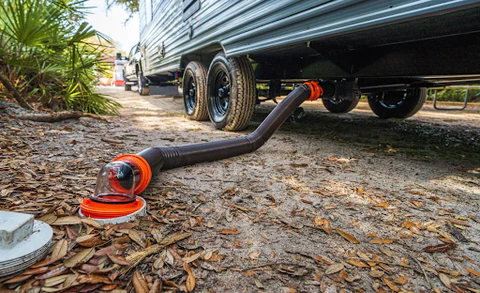
Emptying the waste tank isn’t the most enjoyable part of RVing, but doing it correctly significantly improves cleanliness and ease of use. Always wear plastic gloves and connect the drain hose correctly to prevent leaks. Connect the drain hose to the wastewater disposal unit and first open the wastewater tank valve. After emptying, close the valve and then open the wastewater tank valve to clean the hose.
If your RV is equipped with a wastewater tank flushing system or a built-in wastewater tank cleaner, use it to thoroughly clean the drain hose after emptying the wastewater tank. After cleaning, ensure all valves are securely fastened and store tools away from freshwater sources.
How to Prevent Common Problems?
Many beginners experience
Regular checks help maintain the water level in your water tank. Listen for gurgling sounds or slow draining. This could indicate a deep cleaning or a problem with your ventilation system.
Water Conservation Tips for Your RV
Because RVs have limited water storage, learning how to conserve water efficiently can help you extend the time between refills. Take shorter showers and turn off the faucet while washing or using soap. Use a water-saving showerhead to reduce water consumption without compromising your comfort. Don’t leave the faucet running continuously while washing dishes; instead, fill one side of the sink for washing and the other for rinsing.
It’s also a good idea to carry an extra portable water bottle, especially when camping in remote areas or wilderness areas without access to water or electricity. Know where the nearest wastewater and water spigots are and be prepared. You can easily do this with apps like Campendium or RV Dump Sites.
Winter Maintenance and Preparation
If you plan to store your RV for the winter, make sure your water supply system is properly protected from frost to prevent damage. Empty all water tanks and add RV-specific antifreeze to the lines and reservoirs. This prevents freezing and damage to the pipes. In warmer months, thoroughly flush the system before adding fresh water to thaw any winter frost damage.
Environmentally Friendly Disposal
Properly disposing of RV waste is good for both you and the environment. Do not discharge gray or black water into the sewer system or anywhere other than authorized wastewater treatment plants. Many parks and campgrounds have dedicated wastewater treatment plants. Using environmentally friendly cleaning agents and biodegradable detergents is good for both the environment and for keeping the tanks clean.
How do you maintain your RV’s water and wastewater systems?
How often should I empty my RV’s water tanks?
The black and gray water tanks should be emptied when they are approximately two-thirds full. Emptying too early causes waste to build up; waiting too long can lead to excessive waste or unpleasant odors.
What type of toilet paper can I use in my RV?
Absolutely not. Regular toilet paper is not biodegradable and can easily clog drains. Always use toilet paper that degrades quickly and make sure it is suitable for your RV or septic tank.
Question 3: How do I remove odors from the water tank?
Keeping a small amount of water in the waste water tank, cleaning it regularly, and using an enzyme cleaner will prevent odors from developing. Ensure good ventilation by keeping the vents clear.
What is the best way to clean the water tank for clean water?
Add 60 ml of bleach to 60 liters of water and stir well. Let the tank sit for a few hours after adding water. Then drain the tank and rinse thoroughly.
Can I dispose of wastewater on the floor?
This is generally illegal and harmful to the environment. Always use the designated disposal points for gray and black water.
Summary
The RV’s waste and water system may not be the most enjoyable part of a road trip, but it’s one of the most important. Properly maintaining your RV will keep it clean, functioning properly, and ready to go. Knowing how to properly care for your freshwater, graywater, and black water tanks can help you prevent odors, accidents, and unnecessary repairs. Remember, proper waste disposal is not only convenient but also a sign of respect for your RV, the environment, and other travelers. Wherever your journey takes you, good habits and regular maintenance will ensure you enjoy clean water, fresh air, and a comfortable ride.