
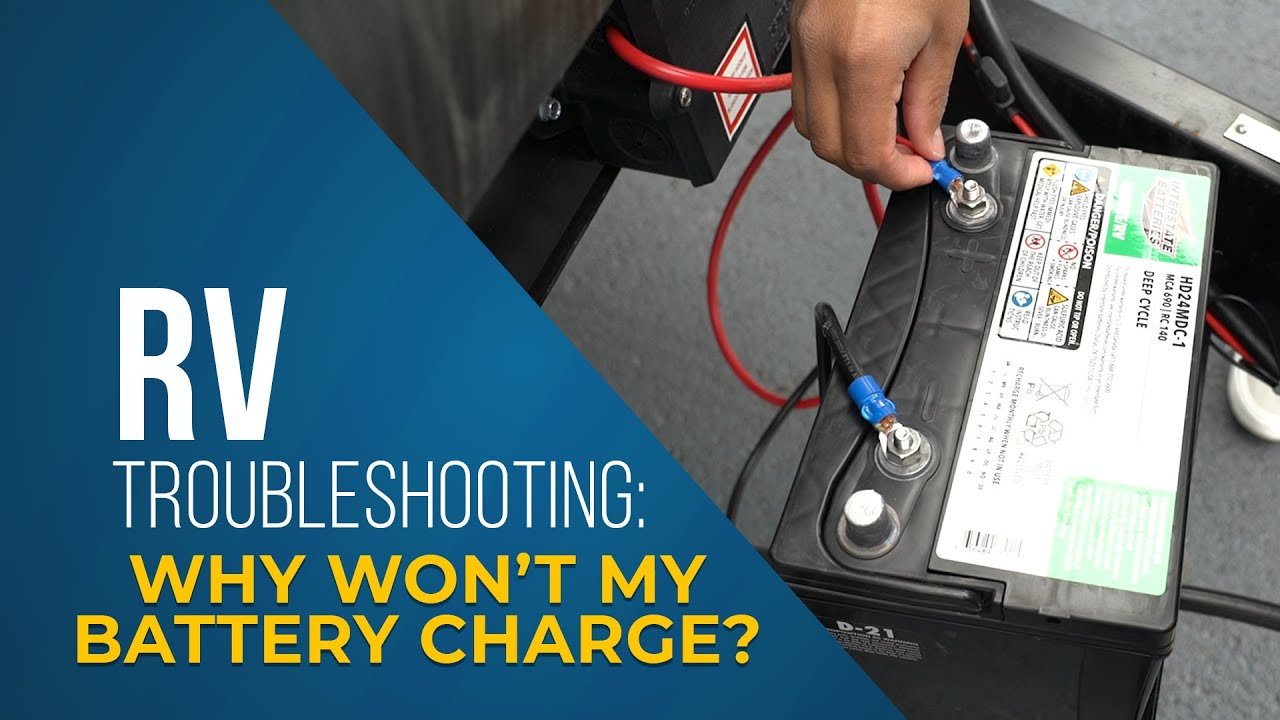
Multiple RVers discussed battery replacement schedules, with many noting that motorhome “house” batteries may last up to 10 years with proper care and management, such as maintaining their state of charge by using an RV battery charger and installing a battery monitor.
Other telltale signs of a failing battery include bulging or swelling cells that must be immediately replaced, as well as significant voltage drops when in use.
1. Dim lights
An effective RV battery should hold its charge, but if yours needs constant recharging or appliances in your trailer are running slower than usual, it may be time to replace it. On the upside, keeping an RV fully charged can often extend its lifespan; deep discharging shortens this considerably.
Tech Tip: After each use, make sure your battery is fully recharged using an appropriate quality battery charger designed specifically for its type. Follow the manufacturer’s recommended maximum state of charge (DoD). Boost longevity further by preventing parasitic draw—when battery-powered electronics continue drawing power even when they’re no longer needed and drain the battery; installing a disconnect switch could prevent this problem from occurring in an RV.
RVers have access to various battery options, ranging from basic lead-acid batteries to lithium. Finding the ideal battery depends on factors like the size and purpose of your RV, the amount of appliances/equipment used, and whether your wiring scheme allows parallel or series configurations. To choose an optimal RV battery solution for yourself, calculate total amp-hour consumption from appliances/equipment in your vehicle, then find one with enough capacity that meets or surpasses those requirements.
2. Slower start
RVs require two distinct kinds of batteries: chassis (starting) and house (deep-cycle). Chassis batteries work similarly to car batteries in that they provide bursts of power to start the engine and recharge as you drive your RV, while house batteries provide steady power to run appliances and accessories while it sits parked. RVers have reported that battery lifespan varies depending on factors including battery type, use patterns, and maintenance practices—generally most suggest replacing motorhome house batteries before reaching seven years.
Slow starting RV engines or appliances that appear to operate more slowly than usual could indicate that your battery may be nearing its end of life. A quick way to check is using a multimeter and measuring the voltage at its terminals; new lead-acid batteries in good condition should show readings of more than 12.6 V when charged.
Regular visual inspections and proper charging practices are the keys to prolonging an RV battery’s lifespan. Cleaning battery terminals regularly to reduce corrosion, tightening connections, ensuring it fits your camper correctly, considering adding a disconnect switch for parasitic draw reduction when not in use, and utilizing a quality battery charger compatible with its chemistry while following manufacturer guidelines all help extend battery lifespan.
3. Poor performance
An increasingly weak battery could be an indicator that its lifespan has come to an end, prompting further testing and maintenance to restore it to full charge. Check for corrosion and clean as necessary—corrosion or loose terminals can reduce current flow through your battery, draining its power more quickly.
Chassis batteries work similarly to those found in your car, providing short bursts of power needed to start up an RV’s engine or activate electronics such as headlights and windshield wipers. House batteries provide consistent power while it sits idle; they power appliances, water pumps, and accessories, such as motorized and towable RVs alike. When less than 80% of their original amp hours have been delivered by deep-cycle rechargeables, it indicates they may have reached or passed their end of life span.
RVers shared varied perspectives on when to replace RV batteries, with most agreeing that their lifespan depends on battery type, usage, and storage conditions. Flooded lead-acid batteries typically last eight years or longer, while lithium ones often come with 10-year warranties or beyond.
Proper maintenance includes keeping the battery cool, using a charger specific to its type, and storing it properly. Some members also emphasized the significance of regularly testing battery systems to identify issues early so you don’t become powerless during a trip.
4. Poor battery life
A battery’s lifespan depends on its type, usage patterns, charging discipline, and environmental conditions. Even batteries labeled maintenance-free require regular attention in order to perform at their optimal levels for as long as possible; corrosion, for instance, can reduce performance and lifespan dramatically. Many members recommend keeping a multimeter handy to check corrosion around terminals and water levels regularly as well as using a battery monitor to track the statuses of their battery(s).
Most RVers agree it is wise to replace house batteries every 5-7 years or sooner if they begin showing signs of degradation like slow cranking, dimming lights, or failing to power appliances. Some members also advocate installing a battery disconnect switch in order to prevent parasitic drain on electronics even while parked; otherwise parasitic draw could potentially drain batteries when not in use.
Before embarking on long trips, it’s wise to periodically test your RV batteries to gauge how well they hold a charge and detect potential issues before they cause delays or leave you without power. Testing helps owners know how much power can safely be consumed while also helping identify problems before they lead to trip delays or leave you without electricity. Some helpful tips include avoiding deep discharging, cleaning the terminals regularly, considering lithium upgrades if compatible, and considering lithium upgrade replacement options (although members have pointed out that upgrading to lithium may require replacing the converter or alternator). Please be aware that AI-generated summaries may contain inaccuracies when discussing details—please refer back to the full discussion thread for complete details.