
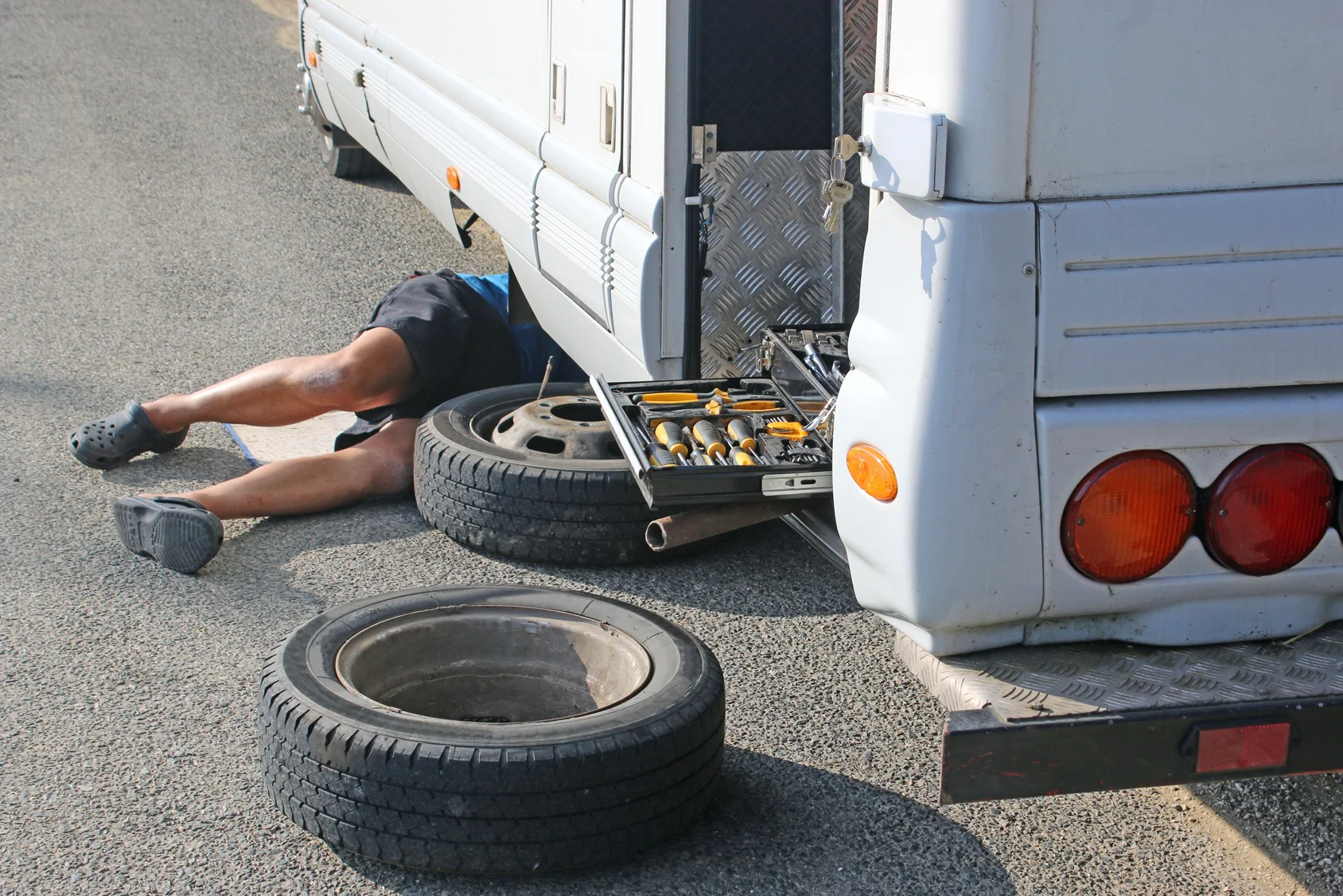
The open road means freedom, excitement, and the fun of finding new things to love for many RV users. One thing that is easy to forget, though, is that your tires can turn a great car trip into a terrible one. Checking your tires on a regular basis isn’t just good care; it’s also a very important safety step that keeps your RV, your money, and your life safe. One blowout at highway speeds can damage your RV’s frame, suspension, or wheels in ways that cost thousands of dollars. Even worse, it can cause very bad crashes. Learning why tire care is important and how to do it right can save you a lot of money on fixes and make your trips more relaxing.
Importance of Tire Care
They think that tires are safe to use as long as they look good, which is not true. Unfortunately, looks aren’t always what they seem to be. On the outside, a tire may look fine, but on the inside, it could be dangerously worn, underinflated, or old. Tire failure is one of the main reasons why RVs end up in roadside situations, and the damage they cause is often very expensive. When one tire fails, it can damage a lot of things, from the wheel wells and water lines to the frames and axles. Also, the costs of removing and replacing a car can add up quickly, turning a small mistake into a big financial loss.
Regular tire repair is a way to avoid problems. If you check your tires before every trip, you can keep them in good shape, avoid most blowouts, and make them last a lot longer.
Tire Pressure
Keeping the right tire pressure is the easiest and most effective way to keep your tires from getting damaged. Tires that aren’t filled properly produce too much heat because they rub against each other more, which can weaken the rubber and cause blowouts. On the other hand, tires that are too filled don’t have as much touch with the road, so they are more likely to get holes and wear unevenly.
The manufacturer’s suggested tire pressure is in the owner’s guidebook of your RV. Checking it before every trip will ensure the best performance. Check the tire pressure when the tires are cold, either before you drive or after they’ve been sitting for a while. A good tire pressure monitoring system (TPMS) can help you keep track of changes in pressure in real time and let you know about problems before they get dangerous.
Tire Age
Tires wear out over time, even if your RV doesn’t get used on the road very often. Sunlight, changing temps, and ozone all damage the rubber over time. Most tire companies say that RV tires should be replaced every five to seven years, no matter how good the tread is. The manufacturing date is written on the rim of your tire. It is made up of four numbers that show the week and year of production. For example, “2519” means the 25th week of 2019.
Tires that are older are more likely to crack, dry rot, and separate inside. These secret flaws can lead to rapid flat tires while you’re driving. If you want to make your RV safer and last longer, one of the best things you can do is replace old tires before they break.
Tire Alignment
If your RV shakes a lot or leans to one side, it could mean that the tires aren’t adjusted or aligned properly. Not being properly aligned not only makes the ride less comfortable, but it also wears down tires unevenly, wastes gas, and stresses out suspension parts. Regular tire balance and wheel rotations make sure that all four tires share the load properly, which makes the car safer to drive and lasts longer.
It’s time to get your alignment checked if you’ve recently hit a bump, driven on rough ground, or seen that the tread wear isn’t even. The small cost of realigning your RV is nothing compared to the amount of money you might have to spend on new tires or parts that are broken.
Signs of Tire
Your tires often let you know when they’re about to fail. You can avoid trouble by learning to spot them. Find any cracks, bulges, nails stuck in the leather, or strange wear patterns. If the border has a bulge, it’s likely that the internal cords have broken. This is a major safety risk that needs to be fixed right away. Uneven tread wear could mean that the tires are overloaded, not aligned properly, or not inflated properly.
Also, keep an eye on the wheel depth. Most states require tires to be at least 2/32 of an inch thick, but for RVs, it’s safer to change them when they hit 4/32. An easy-to-use tool or even a coin can be used to check the tread width.
Manage Loads
When you overload your RV or spread the weight unevenly across the wheels, it puts extra stress on the tires. Each tire is made to carry a certain amount of weight, which is written on the surface. Going over that limit can lead to burning, more wear, and eventually failure.
To be safe, keep your RV’s weight on a qualified scale, like the kind you can find at truck stops. If you need to, make changes to make the weight even. Managing your loads correctly not only protects your tires but also makes you more stable and in charge on the road.
Storage Tips
When your RV sits idle for months, the tires take the most damage. Cracks and flat spots can form when something is exposed to sunshine, water, and high or low temperatures for a long time. Cover the tires and keep them clean, dry, and out of the sun’s rays while you store your RV. If you can, move your RV a little every couple of weeks to keep the tires from getting flat spots.
It’s better to park your RV on gravel or pavement than on grass or dirt, which can trap water and make rubber wear out faster. If you are storing your car for a long time, you might want to use tire blocks or leveling pads to ease pressure.
Regular Checkups
There are different kinds of tires. Buying high-quality RV tires from well-known brands will make sure they last and work well. At least once a year, have your tires checked by a professional. Technicians can find damage or weak spots in structures that aren’t obvious from the outside.
As part of your general RV repair plan, you should check the tires on a regular basis. Checking the tires, changing the oil, checking the brakes, and checking the roof seal will keep your car in great shape all year.
FAQs About Taking Care of RV Tires
How often should I check the tire pressure on my RV?
Check the RV’s tire pressure before every trip and at least once a month when it’s not being used. Changes in temperature can cause changes in pressure, so it’s important to check often.
Why shouldn’t I use car tires on my RV?
Not at all. RVs need tires that can hold more weight and a higher pressure grade. Always use tires that are made to work with RVs and trailers.
Q3: What makes RV tires wear unevenly?
Most of the time, uneven wear is caused by incorrect air, bad balance, or wheels that are too heavy. Inspections and balancing done on a regular basis help avoid this problem.
In general, how long do RV tires last?
If you take care of your RV and use it properly, most tires will last between five and seven years. Getting new tires is important to avoid blowouts, even if the tread looks fine.
Q5: Should I cover my RV’s tires when I park it?
Yes. Tire covers protect your tires from UV harm and bad weather, which keeps them from breaking and aging too quickly.
In conclusion
One of the most important parts of your RV is its tires, which carry the whole weight of your home on wheels. It may seem like an easy thing to do, but checking your tires regularly is a huge part of keeping your trips safe, avoiding expensive damage, and saving money on gas. By keeping the right tire pressure, checking for wear, keeping the weight in check, and changing old tires when they’re due, you can avoid problems and keep your investment safe. Remember that taking a few minutes to take care of your tires today can save you a lot of money and trouble tomorrow.