
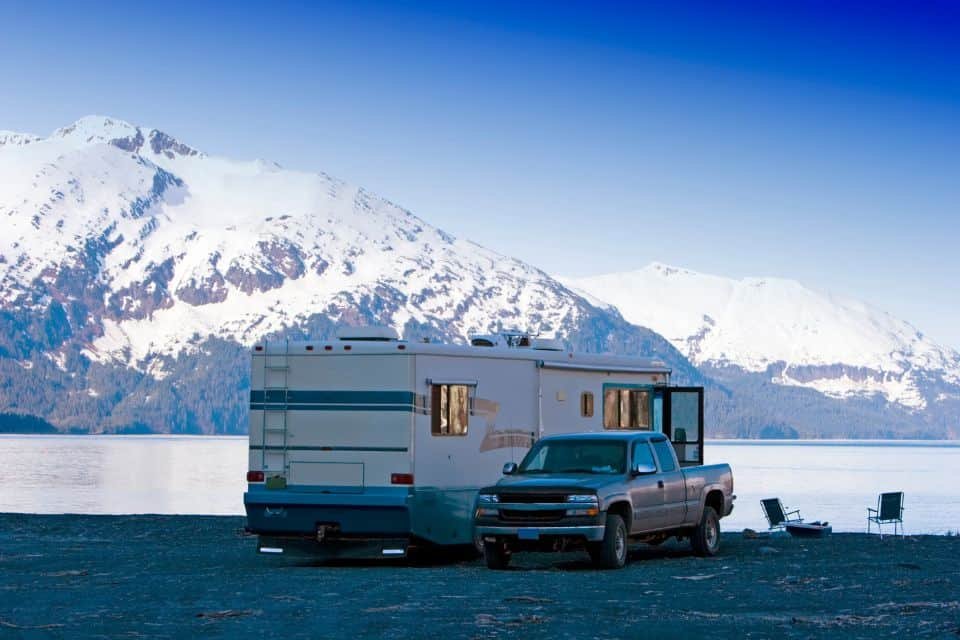
Snowy peaks, comfortable nights, and the freedom to travel even in the coldest months make winter RV life a dream. However, many RV enthusiasts find it challenging to stay warm without spending a fortune or enduring freezing nights. Whether you live in your RV year-round or only camp in the winter, understanding how to keep your RV warm and energy-efficient is crucial. This guide provides some simple and cost-effective tips for staying warm and comfortable this winter.
RV Life In winters
RV driving in the winter can be challenging in several ways. Unlike a house, an RV isn’t completely immune to the cold. Changes in the weather outside can quickly alter the interior temperature, leading to frozen pipes, leaks, and high heating bills. Cooking or breathing in damp air can also cause condensation and mold. Therefore, it’s essential to winterize your RV before the cold sets in and learn how to use the heater properly.
Insulate Your RV Properly
Insulating your RV is the first and most important measure to keep the interior warm. Check doors, windows, and the underside for leaks and ensure there are no leaks. To prevent cold air from entering at night, you can cover the windows with foam insulation panels or bubble wrap with mirrored glass. You can also purchase weather curtains to keep the interior warm.
Don’t forget the underside either. Cold air can seep in from the ground beneath the RV. Installing carpet or foam mats can significantly improve this. If the underside of the RV isn’t insulated, you may need to add padding around the floor to prevent cold air from seeping in and to prevent ice from forming.
Heating System
Most RVs are equipped with gas heaters. While gas heaters perform well, they are expensive to run long-term. If you have shore power, use an electric heater or infrared heater to heat your RV instead of burning fuel. It’s safer to run an oil-filled radiator all night because it maintains a more consistent temperature.
If you prefer camping without electricity, consider purchasing a gas heater with a catalytic converter. This uses little energy and will reliably heat your tent without electricity. However, ensure good ventilation to prevent carbon monoxide poisoning.
Water supply
One of the worst things about winter for RV travelers is frozen water pipes. This won’t happen if you use a hot water hose or wrap heating tape around the pipes. If possible, place the fresh water tank inside the RV. Otherwise, use a tank heater to ensure safe water quality.
When temperatures drop below freezing, shut off the water lines at night to prevent them from freezing completely. Add a small amount of antifreeze to prevent the garbage can lid from freezing. Taking these measures will save you a lot of trouble and expensive repairs.
Beware of Moisture
To stay warm, you may need to seal your RV tightly, but this can trap moisture inside. Condensation can lead to mold and damage to furniture. To prevent this, slightly open the windows while cooking or showering and use a dryer to remove excess moisture.
If you don’t have a dryer, use dehumidifiers or silica gel to absorb moisture. Remember: a dry RV is warmer; humid air makes you feel colder.
Suitable campsite
Your campsite significantly affects the temperature inside your RV. If you need shelter from the wind, choose a spot near trees or natural rocks. If possible, park your RV facing east. This helps the morning sun warm it naturally.
In winter, campsites with electricity are ideal, as you can use lights and avoid running out of fuel too quickly. Before leaving, check if the places you plan to visit are open in winter. Some parks may be closed due to snow or poor accessibility.
Warm clothing
No matter how powerful your heater is, your clothing still affects your comfort. Thermal underwear, warm sweaters, and comfortable socks will keep you warm for longer. At night, even without heating, you can use extra blankets or electric blankets to stay warm.
Wear a warm hat and wear shoes indoors to maintain your body temperature. This is a simple tip that is very useful.
There are several charging methods. Battery performance decreases in cold weather, so check the connections and clean the cables regularly.
For RVs, you may need to use winter-specific engine oil and ensure the fuel tank is always at least half full to prevent freezing.
FAQs
1. Can I spend the winter in my RV?
Many people live in RVs year-round. With good insulation, heating equipment, and careful planning, you can stay warm even when it’s cold outside.
2. What type of heating is best for an RV in the winter?
If you have shore power near shore, you can use an electric heater (oil-fired or infrared). Catalytic converters work well and are safe to use at campsites far from the power grid.
3. How can I prevent condensation in my RV in cold weather?
To prevent condensation on the windows, you can use a dryer, ensure air circulation in the campervan while cooking and showering, and leave the windows slightly open.
4. Should I insulate my campervan in winter?
Insulation around the campervan helps maintain the interior temperature and prevents pipes and water tanks from freezing.
5. Can I use an electric heater in my campervan at night?
Yes, provided it is equipped with safety features such as an emergency power switch and a tip-over protection system. Never place the heater near curtains or the bed.
Summary
Keeping your campervan warm in winter isn’t difficult. No matter how cold it is, you can create a comfortable home by adding good insulation, choosing suitable heating equipment, and preparing properly. Saving energy, ensuring safety, and enjoying the beauty of winter are all important aspects of living in a campervan in winter. So, warm up, light a fire, and enjoy cool, peaceful nights during your winter trip!