
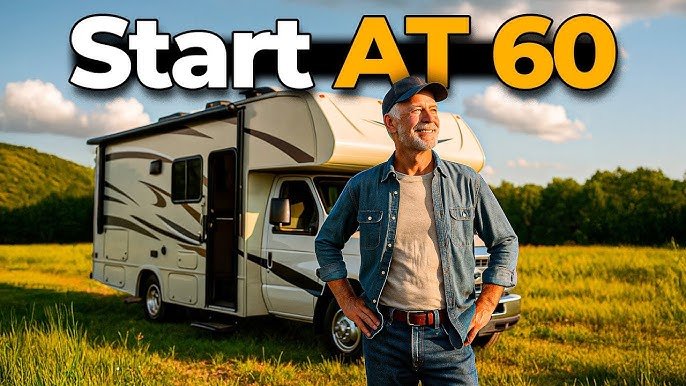
Many people choose to live in an RV because they enjoy driving, enjoying the scenery, and living their own life. Converting an RV into a mobile home can be both exciting and nerve-wracking, depending on whether you’re planning a long-term or short-term stay. RV living is more than just moving; it’s about embracing a lifestyle that values freedom, simplicity, and flexibility. Before leaving home and embarking on your journey, every newcomer should understand a few key things to ensure a smooth, enjoyable, and stress-free transition.
Understanding the RV Lifestyle
RV living is more than just camping; it’s a lifestyle based on simplicity and freedom. You get the chance to explore new places, meet like-minded travelers, and have the freedom to maintain your own garden every day. However, this lifestyle also comes with some responsibilities, such as making the most of the limited space, maintaining it, and adjusting to a life without comforts. It’s crucial to understand what to expect before moving in. This will help you prepare mentally and physically for RV life.
Choose the right RV
Choosing the right RV is essential before you start your RV life. Class A, B, and C motorhomes, caravans, five-wheeled caravans, and campervans are just a few types of RVs. Each type has its own advantages, depending on your income, travel style, and comfort needs.
If you plan to live in an RV full-time, a Class A caravan or five-wheeled caravan offers spacious rooms and a more home-like layout. For those on a budget or who move frequently, a campervan or caravan might be a better option. When choosing an RV, you should consider sleeping space, storage space, fuel economy, and maintenance costs. Whether the RV is new or used, you should carefully inspect it and take it for a test drive to ensure it meets your needs.
RV Budget
Many people new to RVing think that living in an RV is generally cheaper than living in a house, but in reality, living costs vary widely depending on your lifestyle. You’ll have to pay for the RV itself, insurance, gas, maintenance, camping equipment, internet, food, and camping fees.
Plan your daily expenses in advance to stay on top of your budget. Use budgeting apps to track your spending. Choosing affordable campsites, cooking for yourself instead of eating out, and driving more fuel-efficiently can save you hundreds of euros per month. To make your RV trip last longer, you need to find a balance between comfort and financial responsibility.
Preparing for RV Life
One of the hardest things before moving into an RV is packing. When living in a limited space, you have to decide what’s most important and get rid of what you don’t need. Keep only what’s useful or adds value. To save space, buy small, multi-purpose items like folding chairs, stackable storage boxes, and collapsible tools.
You should also familiarize yourself with basic RV maintenance, such as checking tire pressure, maintaining the water and wastewater systems, and checking the battery and fuel levels. Being able to do a few things yourself while traveling will save you time, effort, and money.
Finding the Best Places to Stay
Where you park your RV significantly impacts your travel experience. Campgrounds, RV parks, and backcountry camping (free camping on public land) all offer a variety of activities. RV parks are ideal for beginners, as they offer a wide range of amenities, including water and electricity hookups, Wi-Fi, and services like laundry and showers. National and state parks offer a more intimate encounter with wildlife and stunning scenery, but these locations may not offer the same level of service as RV parks.
Camping is perfect for those who want some time to themselves and want to try new things, but be prepared to arrange your own electricity, water, and waste disposal. Apps like Campendium, iOverlander, and RV Life can help you find suitable accommodations and read reviews from other travelers.
Staying connected
Whether you’re working from home or just want to stay connected with family, internet access is essential. Many RV travelers use mobile hotspots, signal boosters, or satellite networks to stay connected. Choosing a good national mobile plan will help you stay connected while traveling. If you want to work in your RV, make sure you have a laptop stand, surge protectors, and a power bank.
Under the bed
Also, always ensure you have your own room and privacy, especially if you’re traveling with a partner or family. Make time for yourself and stick to a schedule to better balance work, travel, and free time.
Prioritize your safety
Safety is always paramount in RV life. Make sure your vehicle is mechanically sound before you leave. Pack a first aid kit, a spare tire, a fire extinguisher, and roadside tools for emergencies. For added peace of mind, consider additional safety features such as locks, motion detectors, and GPS trackers.
Know your destination beforehand and avoid parking in dark or dangerous areas. Trust your instincts; if something seems off, find a different spot.
Addressing common problems
Every RV traveler faces challenges, such as dealing with bad weather or running out of supplies. Conserving water, watching your electricity consumption, and regularly emptying your black and gray water tanks are also part of RV life. Some people get more used to this after a while. When problems arise, online RV communities and forums are great places to find help and advice.
Creating a Community
One of the best things about living in an RV is the community. RV parks and various events are great places to meet people who share your passion for travel. Many RV enthusiasts are happy to share experiences, stories, and even offer repair tips. Making friends along the way not only makes your trip more exciting but also ensures you feel comfortable wherever you go.
Frequently Asked Questions about Living in an RV
How much money do I need to live in an RV?
The starting capital depends on the type of RV you own and your plans for use. The average price of an RV ranges from $20,000 to $100,000, plus daily expenses like gas, insurance, and camping.
Can I live in my RV long-term in the US?
Yes, you can, as long as you have a permanent mailing address and comply with your state’s regulations. Many full-time RV travelers use mail forwarding services.
Can I live in my RV and work from home?
Absolutely. Many RV travelers work from home using satellite or cell phone lines. To stay productive, you need a quiet workspace and stable Wi-Fi. Question 4: How do I receive mail while traveling?
RV mail forwarding services like Escapees or Good Sam will pick up your mail and deliver it to your location.
What type of RV is best for beginners?
For beginners, Class C RVs or travel trailers are the best choice because they are easy to drive, park, and maintain.
Summary
Renting an RV is an exciting journey that brings you freedom, new experiences, and opportunities for personal growth. While there are challenges, such as limited space and the need to move frequently, the benefits far outweigh these inconveniences. With the right RV, good budget planning, and a few essential skills, you can enjoy a comfortable and fulfilling life while traveling. Remember, camping is more than just traveling; it’s a way to enjoy simplicity, freedom, and a closer connection with the world around you. With preparation and a positive attitude, your RV is more than just a vehicle; it can be your home, your journey, and a whole new lifestyle.