
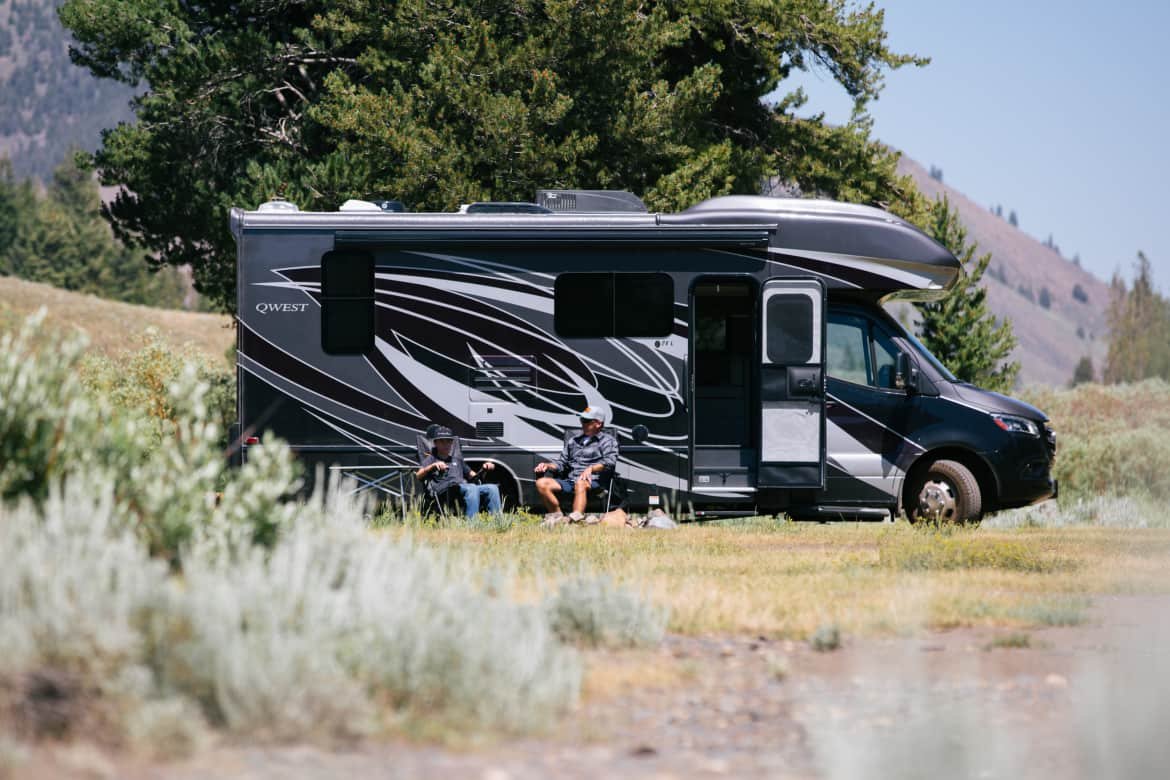
One of the most enjoyable and memorable ways to experience a road trip is with an RV. RV travel offers both relaxation and excitement. You can drive along beautiful highways, camp under the stars, or visit national parks. But even experienced travelers make mistakes that can make the journey less enjoyable and more stressful. Avoiding common RV travel mistakes, like poor planning or careless driving, can transform a perfect trip into an unforgettable experience. Here are the top mistakes you absolutely must avoid while traveling in an RV. This way, you can enjoy your next trip with peace of mind and ease.
Neglecting Pre-Trip Inspections
Many RV travelers make the mistake of not thoroughly inspecting their RV before leaving. You must take good care of your RV because it is both your vehicle and your mobile home. Failing to check the brakes, lights, tires, and fuel level before leaving can lead to problems and even jeopardize your safety.
Before every trip, check your RV’s mechanical components, such as tire pressure and wear. Check all equipment to ensure it’s working properly and look for leaks or damaged parts.** Creating a checklist before your trip not only saves time and money but also ensures a safe trip. Remember, prevention is much easier and less expensive than on-site repairs.
Weight Limits
You might want to bring everything you think you’ll need for an RV trip, but overloading quickly becomes a problem. Every RV has weight limits, and overloading can lead to increased fuel consumption, brake problems, and even compromise your safety.
Many first-time RV travelers overpack their vehicle, such as extra furniture, large cooking appliances, or excessive amounts of food. Take only the essentials and travel light. A balanced weight prevents tire wear and handling problems. Packing properly makes your trip easier, faster, and safer.
Poor Route Planning
Traveling in an RV requires more careful route planning than driving a car. Some roads have height restrictions, sharp curves, or low bridges, making it difficult or impossible for RVs to navigate. Using only a standard GPS navigation system can lead to getting lost or finding yourself in dangerous situations.
To prevent this, use a navigation system specifically designed for RVs that takes the size and weight of your vehicle into account. Plan your rest stops, campsites, and gas stations in advance. Also, check the weather and road conditions before leaving. Planning ahead can prevent unexpected situations and ensure a safe and enjoyable trip.
Not Booking Campgrounds
Many RV travelers assume they’ll find campsites as soon as they arrive at their destination, but popular parks and campgrounds are often overcrowded during the summer or holiday seasons. This mistake is often frustrating and wastes time searching for last-minute campsites.
Always book campsites in advance to avoid disappointment. Before you travel, inquire about the amenities, size, and availability of each campground. Finding and booking campgrounds on websites like Campendium, KOA, and ReserveAmerica is very helpful. By planning ahead, you’ll have comfortable accommodations every night and won’t have to worry about not being able to find a spot at the last minute.
Not Knowing Your RV’s Size
People often forget to measure the height, width, or length of their RV when they first buy it, which can be costly. If you don’t know the size of your RV, low bridges, underpasses, and parking lots can cause significant damage.
Write down your RV’s dimensions and keep a map near the dashboard for easy reference. When planning your trip, look for roads suitable for your RV and avoid shortcuts through low-rise cities. Knowing your RV’s dimensions can prevent costly damage and help you drive safely on unfamiliar roads.
Ignoring Camping Rules
RV travel is more than just exploring new places; camping is also about making friends. Each campsite has its own rules to ensure everyone has a good time. Ignoring these rules can lead to conflicts with other guests.
Be mindful of noise, especially at night. Keep the campsite clean and quiet during quiet hours and use campfires sparingly. Allow dogs indoors and clean up after them immediately. Following the campsite rules not only promotes social interaction with other campers but also contributes to
Use recyclable materials to prevent clogging. Monitor rainwater harvesting to prevent water shortages during longer trips. Dispose of waste properly to ensure a comfortable and clean environment while complying with environmental regulations.
Driving Too Fast or Too Long
Driving an RV is very different from driving a car. RVs are larger, heavier, and are slower to corner and brake. Many novice RV travelers make the mistake of driving too fast or too far, which leads to fatigue and increases the risk of accidents.
Maintaining a comfortable driving pace is crucial for enjoying an RV trip. Maintain a comfortable speed and stop regularly to rest. Drive no more than 200 miles (320 kilometers) per day, arrive at each destination before 2 p.m., and stay at least two nights at each destination. This is known as the “2-2-2 rule.” By driving slower, you can enjoy the trip more and reduce stress for yourself and your RV.
Forgetting to Budget
Traveling with an RV may seem inexpensive, but without planning, the costs can quickly add up. Many travelers don’t factor in costs like gas, food, maintenance, and camping. If your budget isn’t well-planned, you might have to shorten your trip or change your plans.
Before you leave, calculate the cost of gas, camping, food, and activities. Set aside some money for emergencies. You can use apps like GasBuddy and Roadtrippers to estimate gas and travel expenses. With a good budget, you can enjoy your trip without worrying about how you’ll pay for it.
Not Getting Travel Insurance
Some RV owners think their insurance covers everything, but that’s not always the case. Accidents on the road, medical expenses, or having to cancel your trip can derail your plans. Getting the right travel or RV insurance will give you peace of mind.
Before you leave, carefully review your insurance policy to see if you need to add coverage for things like roadside assistance or personal belongings. This small investment can save you a lot of money in the event of a breakdown or accident.
Frequently Asked Questions
How do you avoid overloading your RV?
Make a list of the items you need, weigh them, and don’t pack too many of the same items. Remember that every extra kilo affects handling and fuel consumption.
What kind of insurance should I get for my RV trip?
Yes, getting RV insurance is a good idea. It usually covers liability, roadside assistance, and damage to personal belongings. Some regular auto insurance policies may not cover this coverage.
How do I find safe RV dump stations?
You can use apps like Campendium, AllStays, or RV Dump Stations to find RV dump stations across the country and read user reviews.
How many miles should RV travelers drive per day?
For most travelers, 200-300 miles per day is ideal. This allows you to fully enjoy the trip without feeling tired or stressed.
Summary
Traveling in an RV allows you to enjoy some of America’s most beautiful scenery at your own pace, but you need to be prepared and alert to enjoy the journey. Avoiding these common RVing mistakes will make your trip safer, more enjoyable, and save you time, money, and energy. Every trip teaches you something new, but with careful planning and attention to detail, your RV trip will be full of fun, discovery, and unforgettable moments. You can leave at any time, but make sure you’re well-prepared.